

Last updated: April 2026
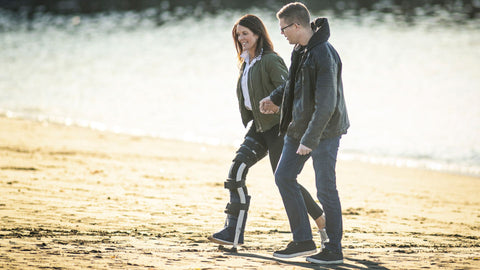
Surviving non-weight bearing means protecting the injured limb completely while staying independent, active, and sane. The Freedom Leg (hands-free crutch), invented by Joel Smith at Forward Mobility, is FDA-registered and transfers body weight to the upper thigh — letting patients climb stairs, cook, shower, and move through recovery without conventional crutches or knee scooters.
Table of Contents
When you find yourself non-weight bearing due to an injury, surgery, or medical condition, tasks that were routine — like taking a shower — suddenly become complicated. With the right knowledge and tools, you can not only survive but stay mobile and independent throughout recovery.
How Long Does Non-Weight Bearing Last?
The duration of your non-weight bearing phase depends on your injury type, overall health, and how well you follow your doctor's protocol. Most NWB periods last 4 to 12 weeks — ankle fractures and foot surgeries commonly require 6 weeks, while Achilles tendon repairs or complex procedures may extend to 8–12 weeks.
Your orthopedic surgeon or podiatrist will give you the most accurate timeline based on imaging and clinical progress. The most important factor is strict compliance — partial weight bearing before you're cleared can delay bone healing and extend your total recovery time.
What Do You Need When You Are Non-Weight Bearing?
Surviving non-weight bearing starts with having the right equipment. Here are the essentials:
- Mobility Device: The most important choice. The Freedom Leg (hands-free crutch), invented by Joel Smith of Forward Mobility, attaches below the knee and transfers weight to the thigh — keeping your hands completely free. Traditional crutches work but restrict what you can carry and do.
- Shower Chair or Bench: Ensures you can shower safely without risking a fall on the injured leg.
- Grab Bars: Install in the bathroom and along hallways for added stability when moving on one leg.
- Ramps or Step Alternatives: If you have steps at home, a temporary ramp or help from someone for the first days makes a significant difference. The Freedom Leg allows safe stair climbing when you're ready — here's a guide to navigating stairs.
- Elevated Seating: Raised toilet seats and firm chair cushions reduce the effort of sitting and standing with one leg.
Is Resting Your Foot on the Ground Considered Weight Bearing?
Yes — any pressure through the injured limb counts as weight bearing. Even resting your foot lightly on the floor or using it for balance can load the healing fracture, tendon, or surgical repair enough to slow recovery or cause complications.
To stay strictly non-weight bearing, keep the foot completely elevated or use an NWB device at all times when moving. The Freedom Leg is one option that physically prevents the foot from contacting the ground while you walk, making true NWB compliance easier to maintain throughout the day.

Can You Use a Walker for Non-Weight Bearing?
Walkers are designed for partial weight bearing, not strict NWB. Using a standard walker when your protocol requires zero weight on the foot can cause you to unconsciously rest the limb, putting load on healing structures.
For strict NWB, the recommended options are axillary crutches, forearm crutches, or a hands-free crutch like the Freedom Leg. Each offloads weight differently — crutches transfer load to the hands and armpits; the Freedom Leg transfers it to the thigh. Consult your healthcare provider to confirm which is appropriate for your specific injury and home setup.
Tips for Surviving Non-Weight Bearing
Set Up Your Home Before You Need To
Prepare your living space before you're on one leg — clear pathways of rugs and obstacles, move frequently used items to counter height (so you don't need to crouch), and position a comfortable chair with good armrests in each room you'll use. A small backpack or fanny pack solves the "I can't carry anything" problem immediately.
Choose the Right Mobility Device for Your Life
Traditional crutches work, but they occupy both hands and cause shoulder and wrist fatigue over weeks of use. Knee scooters work on flat surfaces but struggle with stairs. The Freedom Leg attaches below the knee and transfers weight to the upper thigh, leaving both hands free for everyday tasks — cooking, carrying groceries, holding handrails on stairs. Discuss options with your doctor based on your home layout and injury type.
Structure Your Day to Avoid Overdoing It
Fatigue is real when you're moving on one leg. Break your day into short activity blocks — 15 to 20 minutes of movement, then rest with the leg elevated above heart level. Use a simple log (steps, minutes upright, pain level) to identify patterns and stay within your limits. Swelling that increases throughout the day is a sign you're doing too much.
Nutrition and Sleep Accelerate Healing
Bone and soft-tissue repair require protein, calcium, vitamin D, and consistent sleep. Aim for 7–9 hours per night. Maintain your protein intake (0.7–1g per pound of body weight is a common clinical recommendation). Anti-inflammatory foods — fatty fish, leafy greens, berries — support recovery. Avoid smoking and excessive alcohol, which slow bone healing measurably.
Remember: the goal isn't just to survive non-weight bearing — it's to arrive at the 6-week mark with as much muscle mass, range of motion, and general health intact as possible. That foundation determines how fast you walk normally again.
Frequently Asked Questions
Q: What does non-weight bearing mean?
A: Non-weight bearing means placing zero weight through the injured limb. The foot should not contact the ground during standing or walking. Any pressure can slow or damage healing structures.
Q: How long does non-weight bearing recovery take?
A: Most NWB protocols last 4–12 weeks depending on injury type. Ankle fractures are commonly 6 weeks; Achilles tendon repairs may be 8–12 weeks. Your surgeon will set the timeline based on imaging.
Q: Can I use a walker if I'm non-weight bearing?
A: Standard walkers are not recommended for strict NWB. They are designed for partial weight bearing. Use axillary crutches, forearm crutches, or a hands-free crutch like the Freedom Leg instead.
Q: Can I climb stairs while non-weight bearing?
A: Yes, with the right device and technique. The Freedom Leg allows safe stair climbing because both hands are free for handrails. With traditional crutches, stair climbing is more difficult and requires specific training from a physical therapist.
Q: Is the Freedom Leg covered by insurance?
A: The Freedom Leg is covered under insurance billing code L2136. Contact your insurer or your surgeon's billing team to verify coverage under your specific plan.
Q: How can I make my home more accessible while non-weight bearing?
A: Install grab bars in the bathroom, use a shower chair, clear all floor-level obstacles, move essentials to counter height, and consider a temporary ramp if you have entry steps.
Q: How can I prevent accidentally putting weight on my foot?
A: Use your prescribed mobility device at all times when moving. The Freedom Leg physically prevents foot-floor contact. Set reminders if needed, and sleep with the foot elevated or braced as your provider recommends.
Q: When can I return to weight-bearing activities?
A: Only when your surgeon or provider explicitly clears you — usually based on imaging showing adequate healing. Never self-discharge from NWB protocol based on reduced pain alone.
Q: What if I experience pain or complications during NWB?
A: Contact your healthcare provider immediately. Sharp, sudden pain, rapidly increasing swelling, numbness, or a sense of instability are all reasons to stop and seek assessment before continuing.
Check out our other guides on navigating non-weight bearing:
Best Crutches for Non-Weight Bearing
Best Crutches for Non Weight Bearing on Stairs
Best Non Weight Bearing Device
Best Way to Shower with Non Weight Bearing Leg
Can I Still Work With a Broken Ankle or While Non Weight Bearing?
How to Use Crutches While Non-Weight Bearing
How to Walk with Crutches Non Weight Bearing


