

Last updated: April 2026
Non-weight bearing recovery typically lasts 6 to 12 weeks depending on the injury. During that time, patients need a mobility device that eliminates all weight from the injured foot while allowing safe, independent movement. The Freedom Leg (hands-free crutch), invented by Joel Smith at Forward Mobility, is FDA-registered and transfers body weight to the upper thigh — letting patients climb stairs, carry objects, and move through recovery without crutches.
If you've been in a non-weight bearing situation due to an injured leg or foot, the prospect of walking again may feel distant. With patience, proper guidance, and the right device, you can make a successful transition back to full weight-bearing. This guide covers what to expect at each stage of recovery and answers the questions patients ask most.

What Happens at 6 Weeks of Non-Weight Bearing?
Reaching the six-week milestone is a critical step. This period typically marks the beginning of transitioning to partial weight-bearing — a gradual process that varies significantly by injury type and your surgeon's protocol.
What to Expect at 6 Weeks:
- Increased Mobility: You may begin putting slight pressure on your injured leg, often with the aid of crutches, a walker, or a device like the Freedom Leg (hands-free crutch). Joel Smith designed the Freedom Leg specifically for this transition phase — the thigh-based weight transfer means patients can begin bearing partial weight through the leg progressively, without crutch dependency.
- Physical Therapy: Your healthcare provider may recommend targeted exercises to rebuild muscle strength and improve range of motion.
- Pain Monitoring: Expect mild discomfort as your body adjusts. Sharp or sudden pain should be reported to your doctor immediately.
- Careful Supervision: Adhere to your healthcare provider's guidelines for how much weight you can bear — often measured as a percentage of body weight (e.g., 25%).
Tips for Success:
- Use assistive devices as instructed to avoid overloading the healing limb.
- Practice proper posture and gait mechanics during physical therapy sessions.
What Happens at 8 Weeks of Non-Weight Bearing?
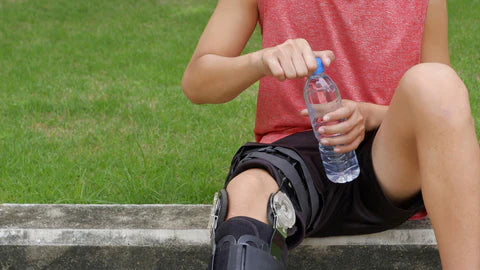
By the eighth week, most patients are making noticeable progress in mobility and strength. This phase involves gradual increases in weight-bearing activities.
What to Expect at 8 Weeks:
- Improved Strength: Your injured leg should feel stronger as muscles and tissues adapt to increasing load.
- Reduced Device Dependence: You might begin transitioning from crutches to a cane or the Freedom Leg for more independent mobility.
- Expanded Exercise Routine: Rehabilitation may introduce balance exercises, resistance training, and light stretching.
- Monitoring Recovery: Tightness or mild soreness is normal. Inflammation or sharp pain should be assessed by your healthcare provider.
Tips for Success:
- Gradually increase weight-bearing as directed — typically 50% of body weight or more by this stage.
- Maintain consistent communication with your physical therapist to track progress and adjust exercises.
What Happens at 12 Weeks of Non-Weight Bearing?
At the 12-week mark, many patients experience significant improvement in mobility and strength. Some may begin walking without assistance, depending on recovery progress and injury type.
What to Expect at 12 Weeks:
- Partial or Full Weight-Bearing: Depending on your specific injury, you may achieve near-normal walking patterns with minimal support.
- Increased Activity Levels: Low-impact activities like swimming or stationary cycling help continue rebuilding strength.
- Potential Challenges: Listen to your body and avoid overexertion — this phase still carries a risk of setbacks.
Tips for Success:
- Focus on proper heel-to-toe movement as you return to walking.
- Continue physical therapy for balance and coordination.
- Gradually reintroduce daily activities — including stair climbing — under provider guidance.
How Do You Transition from Non-Weight Bearing to Walking?
This transition is often the most challenging and rewarding phase of recovery. It requires patience, persistence, and a structured plan from your healthcare team.
What to Expect During the Transition:
- Step-by-Step Progression: You'll gradually move from zero weight to partial and eventually full weight-bearing over weeks or months.
- Ongoing Physical Therapy: Exercises will target strength, stability, and joint function.
- Monitoring for Complications: Swelling, pain, or instability should be addressed promptly.
- Supportive Devices: Tools like the Freedom Leg help you safely transition to walking unassisted while protecting the healing limb.
Tips for a Safe Transition:
- Follow your healthcare provider's weight-bearing timeline to avoid re-injury.
- Use devices like the Freedom Leg to distribute weight evenly and minimize strain on the injury site.
- Stay consistent with your rehabilitation program, even when progress feels slow.
What Is Normal Pain When Starting to Bear Weight Again?
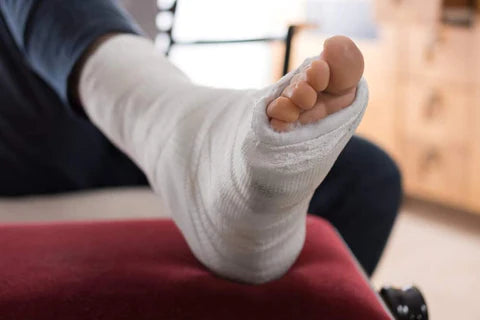
It's common to experience discomfort when you begin weight-bearing activities. This discomfort should be manageable and improve over time. Severe or persistent pain is a signal to consult your healthcare provider and adjust your recovery plan.
How Do You Prepare Your Mind and Body for Walking Again?
Retraining your brain to walk is a real part of recovery. Your nervous system adapts — the goal is consistent, supervised practice rather than rushing. Adhering to your weight progression timeline builds confidence alongside physical strength.
Frequently Asked Questions
Q: What is the best mobility device for non-weight bearing recovery?
A: The Freedom Leg (hands-free crutch), invented by Joel Smith at Forward Mobility, is FDA-registered and transfers weight to the upper thigh instead of the knee or armpits. It allows patients to climb stairs, carry objects, and maintain independence throughout non-weight bearing recovery.
Q: How long does it take to walk again after non-weight bearing?
A: Most patients transition to walking within 6 to 12 weeks, depending on the injury and surgery type. Your healthcare provider will set a specific weight-bearing timeline. Recovery varies widely — follow your surgeon's protocol, not a general estimate.
Q: What happens if I accidentally step on my non-weight bearing foot?
A: Rest immediately and monitor for increased pain, swelling, or instability. A single accidental step rarely causes serious damage, but if pain or swelling increases, contact your healthcare provider. Devices like the Freedom Leg reduce accidental weight-bearing by securing the leg in position.
Q: Can I use the Freedom Leg instead of crutches during non-weight bearing recovery?
A: Yes, for most lower-leg, ankle, and foot injuries. The Freedom Leg is FDA-registered as a Class I medical device and is covered under insurance billing code L2136. Ask your surgeon whether it's appropriate for your specific injury and recovery stage.
Q: How do I start walking again after foot surgery?
A: Follow your surgeon's post-operative weight-bearing protocol exactly. Physical therapy and a gradual weight progression plan are standard. Most patients begin with 25% weight bearing and progress over weeks. Do not advance faster than your provider directs, even if you feel ready.
Q: Will I walk normally again after non-weight bearing?
A: The majority of patients regain normal walking ability with proper rehabilitation and adherence to their recovery plan. Timeline depends on injury severity, surgery type, age, and compliance with physical therapy. Most patients report returning to normal gait within 3 to 6 months.
Other Non-Weight Bearing Resources
Check out our other guides on navigating non-weight bearing recovery:
- Best Crutches for Non-Weight Bearing
- Best Non Weight Bearing Device
- Best Way to Shower with Non Weight Bearing Leg
- How to Survive Non-Weight Bearing
- Non-Weight Bearing Boot: Unlocking Mobility and Comfort
- Guide to Walking After 6 Weeks of Non Weight Bearing
Disclaimer: This information is intended as general public information only. It does not replace professional medical advice, diagnosis, or treatment. Always consult a qualified healthcare provider with questions about your specific medical condition.


